.webp) eliteh5.com
eliteh5.comWWE 2K26 Universe Mode: Can the WWE Draft Finally Turn Fantasy Booking Into a Living Wrestling World?
Introduction: The Problem With Creating Your Own WWE Universe
Professional wrestling is not simply about winning matches. A successful wrestling promotion depends on rivalries that develop over weeks, championships that carry prestige, unexpected betrayals, carefully timed returns, and dramatic pay-per-view events that reward viewers for following an ongoing story. A championship match means more when the challenger has spent months fighting for an opportunity, and a betrayal feels more significant when the audience understands the relationship that has just been destroyed. This is what separates a collection of wrestling matches from a believable wrestling universe.
WWE 2K26 attempts to give players the tools to create that experience through Universe Mode, its long-running sandbox mode in which players control weekly shows, rosters, rivalries, championships, and match outcomes. The game's February 2026 announcement introduced several important additions, including the WWE Draft, a Universe Wizard, expanded promotional interactions, improved Money in the Bank cash-ins, and greater control over show schedules. These additions address a fundamental challenge: how can a wrestling simulation create the feeling that an entire promotion continues to evolve rather than repeatedly presenting disconnected matches? Official WWE 2K26 Universe Mode announcement.
The most interesting issue in WWE 2K26 is therefore not the number of wrestlers, arenas, or match types available. It is the relationship between player control and believable long-term storytelling. Universe Mode gives players extraordinary freedom, but freedom alone cannot guarantee good stories. A player can create dozens of championships, distribute hundreds of wrestlers across multiple shows, and schedule an entire year of events, yet still end up with rivalries that feel repetitive or title matches that lack meaningful buildup. This article examines how WWE 2K26 approaches that problem, why the new Draft system matters, and what its storytelling tools reveal about the difficulty of simulating professional wrestling.
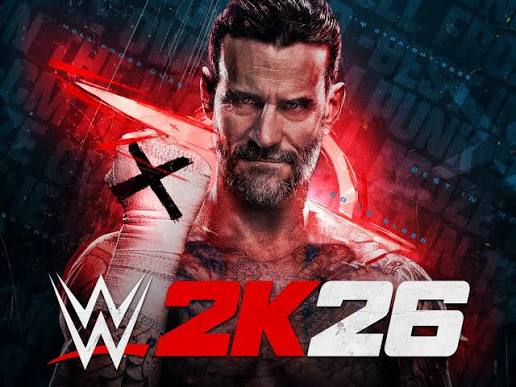
1. The Foundation: Why Universe Mode Needs More Than Match Results
From Wrestling Matches to Wrestling History
The fundamental appeal of Universe Mode is that it allows players to create an alternative history of WWE. Roman Reigns might lose his championship to an unexpected challenger, a rising NXT wrestler might become the face of SmackDown, or an established tag team might collapse after a series of disagreements. These possibilities are more compelling when they affect subsequent events rather than ending when the match is over.
WWE 2K26 provides the basic infrastructure for this kind of storytelling. Players can control championships, rosters, show schedules, match cards, rivalries, and results. The new Universe Wizard also makes it easier to establish the initial structure by selecting weekly shows, premium live events, participating Superstars, champions, and the starting month of the calendar. Rather than manually constructing every element before beginning, players can establish a customized promotion more efficiently.
The Difference Between Freedom and Narrative Consistency
However, creating a believable wrestling universe requires more than giving the player a large number of options. The game must also preserve the consequences of those decisions.
Consider a wrestler who defeats the world champion in a non-title match. In a convincing wrestling storyline, that victory might earn a championship opportunity, provoke a rematch, or create tension between the champion and their management. If the next episode simply moves on to unrelated matches, the victory loses its narrative importance.
This is the central challenge facing Universe Mode: every match should have the potential to change the fictional world. WWE 2K26 offers more tools for constructing those changes, but players must still use them to create a coherent sequence of events.
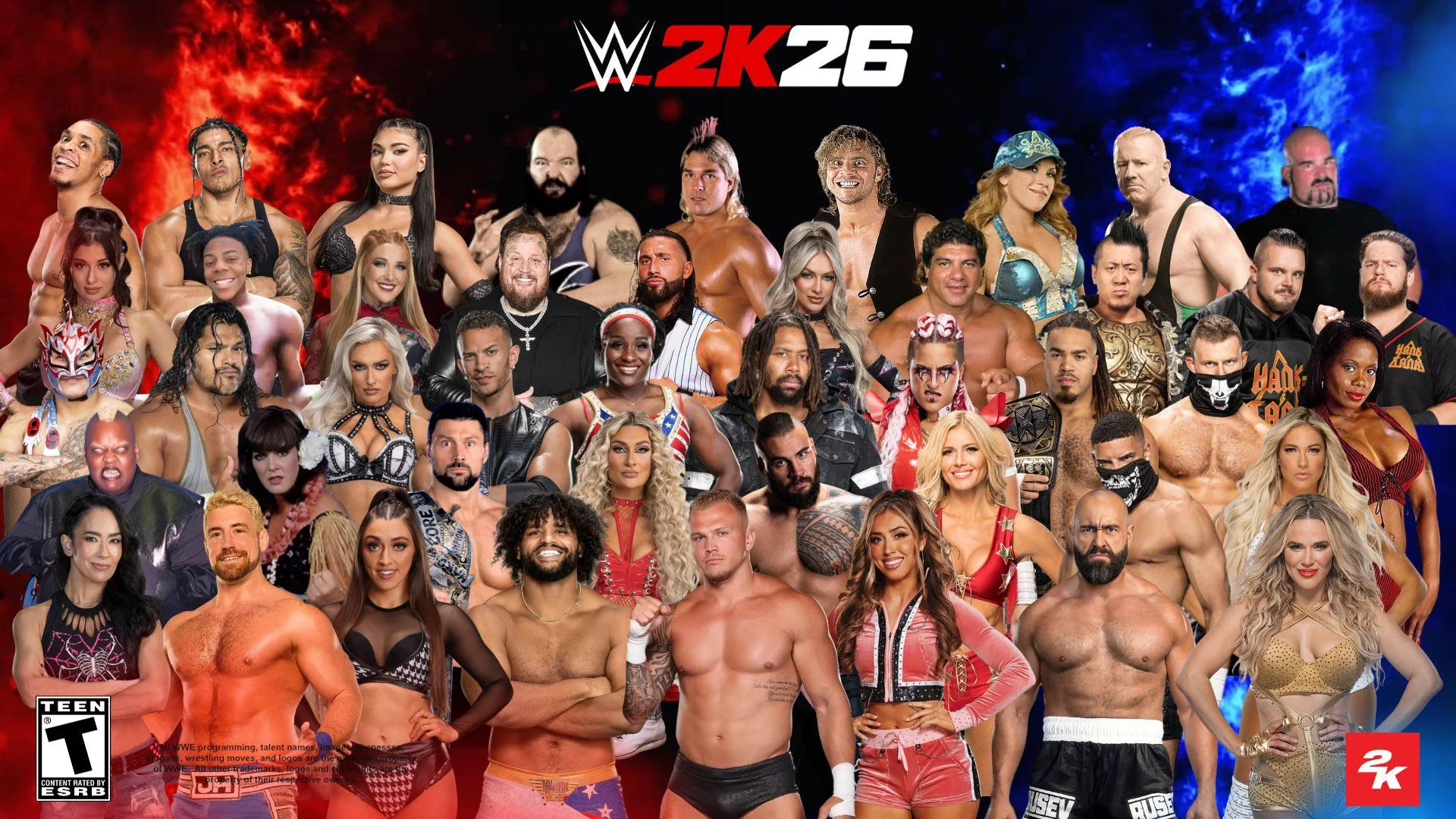
2. Building the Promotion: How the Universe Wizard Changes Long-Term Planning
Establishing the Rules Before the First Bell
The Universe Wizard is an important improvement because it encourages players to think about the structure of their promotion before booking individual matches. Players can select the shows and premium live events they want, assign rosters and championships, and determine when their calendar begins. This makes it easier to create different versions of WWE rather than simply accepting a default arrangement.
For example, a player might create a universe in which RAW focuses on established main-event stars, SmackDown emphasizes younger wrestlers, and NXT serves as a developmental brand. Another player might eliminate the traditional brand split entirely and allow wrestlers to compete across every show. Both approaches can work, but they produce different storytelling possibilities.
Designing a Sustainable Championship Structure
WWE 2K26 allows each show to support up to eight championships across its men's and women's divisions, including tag team and supported intergender championships. Each show can also accommodate two Money in the Bank briefcases. This provides considerable flexibility, but it introduces a practical problem: too many championships can weaken the importance of individual titles.
A player running three shows with eight championships each could theoretically manage twenty-four titles before accounting for Money in the Bank briefcases. That creates an enormous booking workload.
A sensible setup should distinguish between titles that serve different narrative purposes:
- World championships: The main attraction of each brand, reserved for major rivalries and premium live events.
- Secondary championships: A way to develop emerging contenders and provide meaningful mid-card stories.
- Tag team championships: A platform for partnerships, betrayals, and faction conflicts.
- Women's championships: Titles that receive consistent attention rather than appearing only occasionally.
- Special championships: Optional additions that support a particular creative vision.
The lesson is simple: more championships create more possibilities, but a carefully organized title structure usually produces stronger stories than a crowded one.
3. The WWE Draft: A Long-Awaited Solution to Stale Rosters
Why Roster Changes Matter
One of the most significant additions to WWE 2K26 Universe Mode is the introduction of the WWE Draft. According to 2K, players can trade Superstars between their shows over an entire week, with the ability to create, edit, or remove draft events. The feature directly addresses a problem that can emerge during long Universe Mode campaigns: once rosters become familiar, the same combinations of wrestlers can dominate the same rivalries for months.
A draft changes the available relationships. A dominant RAW champion might suddenly find themselves on SmackDown, where an entirely different group of challengers awaits. A tag team could be separated by a roster move, while two former rivals might reunite on the same brand. These changes generate new stories without requiring the player to invent every conflict from scratch.
The Draft as a Storytelling Mechanism
The most effective way to use the Draft is to treat it as a turning point rather than an administrative exercise.
Imagine a wrestler who has spent an entire season losing championship matches on RAW. Moving that wrestler to SmackDown could create a fresh beginning. Alternatively, transferring a dominant champion to a different show might immediately establish a major attraction for the next premium live event.
A good draft can also create uncertainty. Wrestlers may compete for limited championship opportunities, managers may struggle to keep factions together, and established rivalries may be interrupted by the movement of one important Superstar.
The Draft's value is therefore not simply that it changes roster assignments. It creates new circumstances that demand new stories.

4. Rivalries: The Difference Between Repetition and Genuine Escalation
Why a Rivalry Needs a Beginning, Middle, and End
A convincing wrestling rivalry normally develops through recognizable stages. Two wrestlers disagree, their conflict becomes personal, interference or betrayal raises the stakes, and a decisive match provides some form of resolution. A successful rivalry can then lead into a new feud, a championship opportunity, or a change in character.
WWE 2K26 expands the ways players can establish these developments through its Universe Mode promotional tools. Call-Out and Interrupt Promos allow challengers to specify match types or challenge for championships, while champions can select a show for title matches. Open Challenges also support spontaneous championship defenses, creating opportunities for unexpected challengers to enter a storyline.
These options help players connect individual matches to larger narratives. A wrestler who interrupts a champion's interview can establish a conflict before the two meet in the ring, while an open challenge can introduce a rising star who was not previously involved in the title picture.
The Problem of Artificial Escalation
Nevertheless, a rivalry can become repetitive if every week produces essentially the same confrontation. Two wrestlers exchanging insults, interfering in one another's matches, and fighting repeatedly may technically remain rivals, but the audience has little reason to care if nothing changes.
A useful booking rule is to make every major rivalry segment accomplish at least one purpose:
- Reveal new information about the conflict.
- Increase the personal stakes.
- Introduce a new obstacle.
- Change the balance of power.
- Move the rivalry toward a decisive conclusion.
Players who follow this structure can make better use of the available promotional tools. The goal is not to fill every episode with rivalry interactions; it is to ensure that each interaction changes what the audience expects to happen next.
5. Promos and Interviews: Making Characters Matter Outside the Ring
The Importance of Character Development
Matches demonstrate what wrestlers can do physically, but promos explain why the audience should care about their opponents. A champion who believes they are carrying an entire brand has a different personality from a challenger who believes the company has deliberately held them back. A former ally seeking revenge has a different motivation from a wrestler who simply wants another title opportunity.
WWE 2K26 introduces or expands several promotional options intended to create more varied character developments. Self-Promos allow wrestlers to announce changes to their immediate future, including turning face or heel, changing divisions, issuing personal challenges, or leaving a show. Post-Match Interviews allow winners to discuss a division change, a number-one-contender match, or a championship challenge. Defeated wrestlers can interrupt and respond with a handshake, a brawl, or a staredown.
These systems are valuable because they give wrestlers opportunities to make decisions that affect the direction of their careers.
Turning a Match Into a Consequential Event
Consider a match between a rising contender and an established veteran. If the contender wins, the result could be followed by an interview in which they challenge the champion. The champion might respond during the next show, dismissing the victory as a fluke before accepting the challenge. A subsequent confrontation could turn the match into the central attraction of the next premium live event.
Alternatively, the defeated veteran could offer a handshake, creating a moment of mutual respect. That interaction might end their rivalry and allow both wrestlers to pursue different goals.
The important point is that a match result should not exist in isolation. WWE 2K26's promotional tools provide more ways to communicate what a result means, but the player still needs to think about character motivation and the consequences of each decision.
6. Championship Booking: Protecting the Value of a Title
Why Constant Title Changes Can Weaken a Universe
Championships are among the most important storytelling devices in professional wrestling. They provide a visible measure of success and create a reason for wrestlers to compete against one another. Yet a championship loses some of its meaning if it changes hands constantly without a convincing narrative.
WWE 2K26 gives players substantial control over title assignments and defenses. Expanded promotional options also make it easier to arrange open challenges, establish challengers, and create championship-related confrontations. Improved Money in the Bank cash-ins introduce further opportunities for sudden title changes, whether during or after an eligible match.
These systems can create memorable moments, but they also require restraint. A surprise cash-in is most effective when the audience understands why the winner deserves the opportunity and why the timing matters.
A Practical Championship Framework
A useful approach is to organize title stories around three distinct phases.
Phase One: Establish the Champion
Show why the champion is dangerous, respected, controversial, or vulnerable. Their early defenses should communicate what makes them different from the rest of the roster.
Phase Two: Develop the Challenger
Give the challenger meaningful victories, personal motivations, or obstacles. A wrestler should feel like a credible threat before receiving a major championship opportunity.
Phase Three: Deliver the Payoff
The title match should resolve the central conflict or create a new one. A decisive victory might end a long rivalry, while interference could justify another match under different conditions.
This structure prevents championships from becoming interchangeable rewards. Instead, each title defense becomes a chapter in a longer story.
7. Money in the Bank: Turning Uncertainty Into Long-Term Drama
The Briefcase as a Storytelling Investment
Money in the Bank is particularly well suited to Universe Mode because the briefcase creates uncertainty without requiring an immediate championship match. The holder possesses an opportunity to challenge for an eligible title, potentially changing the direction of an entire division.
WWE 2K26 improves the cash-in system by allowing eligible briefcases to be used during or after matches and across shows. This gives players more control over when and how the opportunity is exercised.
The briefcase can support several different narratives. A confident holder might announce their intentions and pressure a champion into defending the title more frequently. A calculating villain might wait until the champion has survived a difficult match. An ambitious underdog might eventually cash in after months of hesitation.
Why Timing Matters More Than Surprise
The temptation is to cash in as soon as a suitable opportunity appears. However, delaying the cash-in can produce a more satisfying story if the player gives the holder a clear motivation and allows the champion to react to the threat.
A possible sequence might look like this:
- A wrestler wins Money in the Bank at a major event.
- The champion dismisses the holder as an unworthy challenger.
- The holder begins appearing during championship segments.
- The champion becomes distracted by the possibility of a cash-in.
- The holder finally chooses a decisive moment to act.
The briefcase then becomes a source of tension throughout the season rather than a single surprise mechanic. Its greatest value lies in the anticipation it creates before the actual championship match.
8. The Weekly Show and Premium Live Event Problem
Why Scheduling Shapes the Story
Wrestling television depends on rhythm. Weekly shows introduce conflicts, develop characters, and establish stakes, while premium live events deliver major matches and dramatic resolutions. If every weekly episode feels like a major event, the biggest shows lose some of their distinction. If weekly episodes contain too little meaningful development, the audience has little reason to follow the season.
WWE 2K26's scheduling improvements offer more flexibility. Its official support information notes that Classic Universe Mode allows multiple shows to be scheduled on a single day and even permits one show to extend across several days. The Universe Wizard also makes it easier to establish the calendar and select the premium live events included in a campaign. WWE 2K26 feature overview.
Creating a Consistent Seasonal Rhythm
A good schedule should give each episode a clear purpose. One week might focus on identifying a challenger, another might reveal a betrayal, and a third might establish the stipulations for a major match. The premium live event then provides the payoff.
Players should also avoid giving every wrestler equal attention on every show. Main-event rivalries need room to develop, while secondary matches can introduce emerging talent or maintain interest in other divisions.
The Draft can refresh the calendar by introducing new wrestlers and changing the competitive landscape. Combined with promotional interactions and championship challenges, these scheduling tools help players construct a season with a beginning, a middle, and an end.
9. The Limit of Automation: When the Sandbox Stops Feeling Alive
More Tools Do Not Automatically Mean Better Stories
WWE 2K26 adds substantial creative flexibility, but it is important to distinguish between the ability to create a story and a system that automatically produces a convincing one. The game's Universe Mode remains a sandbox in which players control much of the booking. Its expanded features provide more options, but the overall experience still depends on how those options interact.
A review by Video Games Chronicle describes Universe Mode as a flexible system for creating shows, rosters, calendars, and rivalries, while noting that its main attraction is the freedom it gives players. Community discussions have also reported problems involving rivalry actions, match-card behavior, and other booking inconsistencies. Such reports are individual player experiences rather than proof that every save or version of the game suffers from the same problems. VGC review and community discussion.
The Difference Between Player Control and Simulation
There is an inherent tension here. The more control the game gives players, the less it can rely on automatic decisions to determine the direction of every story. A fully scripted rivalry might feel coherent but restrict creativity. A completely open system might allow almost anything but leave the player responsible for maintaining narrative consistency.
The most effective approach is to treat Universe Mode as a collaborative creative tool rather than an autonomous wrestling booker. Players establish the logic of the world, decide which rivalries matter, and use the game's systems to enact those decisions.
For players who enjoy creating their own wrestling history, this flexibility can be a major strength. For those expecting the game to generate a fully believable television season without much intervention, the experience may require more manual organization than anticipated.
10. The Ideal WWE 2K26 Universe: A Living Promotion, Not an Endless Match List
Combining the Systems Into One Coherent Season
The strongest Universe Mode experience emerges when its features work together. The Draft changes the roster. The roster changes the championship picture. Promotional interactions establish new conflicts. Weekly shows develop those conflicts, and premium live events resolve them. Money in the Bank introduces uncertainty, while character changes create new motivations for the following season.
Imagine a year beginning with an established champion dominating RAW. A younger wrestler earns a title opportunity, loses narrowly, and begins a more personal rivalry with the champion. Before their rematch, the Draft moves the champion to SmackDown. The challenger must then establish themselves on a new brand, while the champion faces unfamiliar opponents. Meanwhile, a Money in the Bank holder watches both divisions and waits for the right opportunity.
This single chain of events can produce several months of interconnected storytelling. The important feature is not any one mechanic; it is the way each decision creates consequences for the next.
A Simple Checklist for Better Booking
Before advancing each week, players can ask:
- Does every major match serve a clear purpose?
- Are the challengers credible?
- Have important rivalries changed since the previous episode?
- Are championship defenses distributed sensibly?
- Do roster changes create new opportunities?
- Does the next premium live event have meaningful stakes?
- Will the outcome change what happens afterward?
If the answers are consistently yes, the Universe is more likely to feel like a living wrestling promotion rather than a random sequence of simulated matches.
Conclusion: WWE 2K26's Greatest Challenge Is Making Every Decision Matter
WWE 2K26 Universe Mode offers a substantial set of tools for anyone who wants to create their own version of professional wrestling. The Universe Wizard simplifies the initial setup, the WWE Draft introduces new ways to reshape rosters, expanded promotional interactions help develop characters, and improved Money in the Bank mechanics create additional opportunities for dramatic championship changes. Together, these features give players considerable freedom to construct an alternative history of WWE.
Yet the central challenge remains the same: freedom does not automatically create compelling storytelling. A roster change matters only when it affects the characters involved. A rivalry matters only when it develops. A championship matters only when its defenses have consequences. A premium live event matters only when the matches feel like the culmination of everything that came before. The game's creative systems provide the building blocks, but meaningful stories still require structure, patience, and an understanding of why audiences become invested in wrestling characters.
The WWE Draft is particularly important because it gives players a mechanism for changing the circumstances of an established universe. Combined with promotional tools, championship booking, and flexible scheduling, it can prevent a long campaign from becoming trapped in repetitive matchups. However, the strongest results will come from treating each feature as part of a larger narrative rather than using it simply because it is available.
Ultimately, the success of WWE 2K26 Universe Mode should not be measured by how many wrestlers appear on a match card or how many championships exist in a save file. It should be measured by whether players care about what happens next. When a defeat changes a wrestler's direction, a draft reshapes a division, and a championship match resolves a months-long conflict, the simulation begins to feel like a genuine wrestling world. That is the real promise of Universe Mode: not merely allowing players to book matches, but giving them the tools to create wrestling history.
Summary: WWE 2K26 Universe Mode uses drafts, rivalries, and title booking to build a living wrestling world.